
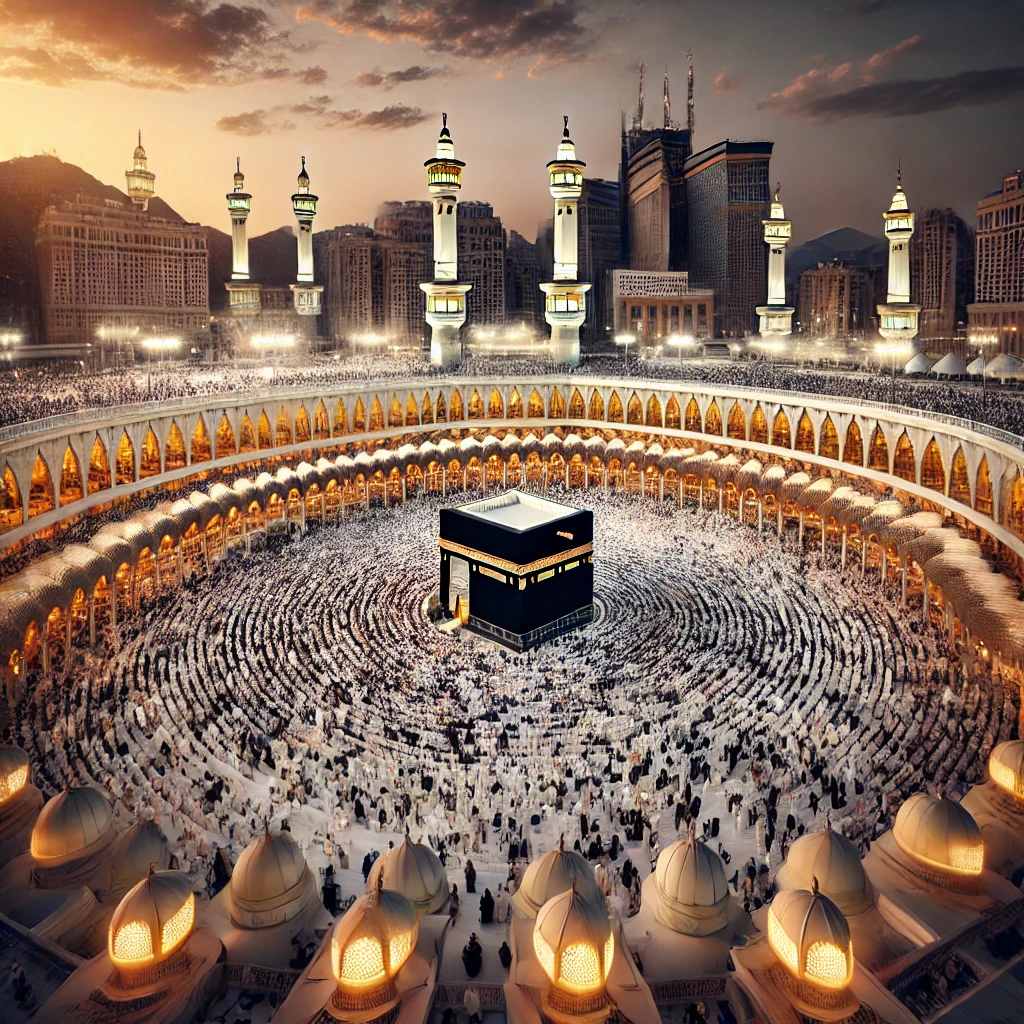
Saudi Arabia, officially known as the Kingdom of Saudi Arabia (KSA), is a nation of profound historical significance and rapid modernization. Situated on the Arabian Peninsula, it is the largest country in the Middle East, bordered by Jordan, Iraq, Kuwait, Bahrain, Qatar, the United Arab Emirates, Oman, and Yemen. This strategic location has cemented its role as a pivotal player in regional geopolitics.
Geographical Overview
Saudi Arabia’s diverse landscapes range from vast deserts to lush mountains:
Deserts: The Rub’ al Khali, or Empty Quarter, is the world’s largest continuous sand desert, characterized by its expansive golden dunes.
Coastlines: The country boasts extensive coastlines along the Red Sea and the Arabian Gulf, featuring pristine beaches and rich marine biodiversity.
Mountain Ranges: The Asir Mountains in the southwest offer cooler climates, verdant landscapes, and unique flora and fauna.
The climate varies from the scorching heat of the central deserts, where temperatures can soar above 45°C (113°F), to the milder, more temperate conditions in elevated regions like Abha and Taif.
Economic Landscape
Historically, Saudi Arabia’s economy has been dominated by its vast oil reserves, accounting for a significant portion of the world’s petroleum supply. However, under the Vision 2030 initiative, the nation is diversifying its economy through investments in:
Tourism and Entertainment: Ambitious projects like NEOM, a $500 billion futuristic city, and the Red Sea Project aim to transform the country into a premier global tourist destination.
Technology and Innovation: There’s a strong emphasis on digital transformation, with significant investments in artificial intelligence, cloud computing, and fintech sectors.
Renewable Energy: Efforts are underway to harness solar and wind energy, reducing dependence on fossil fuels and promoting sustainable development.
Political Structure
Saudi Arabia is an absolute monarchy, with the Al Saud family at its helm. The King serves as both the head of state and government. Crown Prince Mohammed bin Salman has been instrumental in driving economic reforms and social changes, aiming to modernize the nation while preserving its cultural heritage.
Social and Cultural Fabric
The Kingdom is the birthplace of Islam, housing the two holiest cities:
Mecca: The site of the annual Hajj pilgrimage, attracting millions of Muslims worldwide.
Medina: Home to the Prophet’s Mosque, a significant religious landmark.
Saudi culture is deeply rooted in Islamic traditions, with a strong emphasis on family values, hospitality, and respect for heritage. Recent years have seen a gradual shift towards more openness, with increased opportunities for entertainment, arts, and cultural exchanges.
Major Cities and Their Attractions
1. Riyadh: The capital city blends modernity with tradition. Key attractions include:
Masmak Fortress: A historic site symbolizing the foundation of the Kingdom.
Kingdom Centre Tower: An architectural marvel offering panoramic city views.
2. Jeddah: Known as the gateway to Mecca, this coastal city offers:
Al-Balad: A UNESCO World Heritage site with ancient coral-built houses.
King Fahd’s Fountain: The world’s tallest continuous water fountain.
3. Mecca: Beyond its religious significance, visitors can explore:
Abraj Al Bait: A towering complex with shopping malls and hotels.
Jabal al-Nour: The mountain housing the Hira cave, where Prophet Muhammad received his first revelation.
4. Medina: In addition to its sacred sites, Medina offers:
Quba Mosque: The first mosque built in Islamic history.
Mount Uhud: A site of historical battles and significance.
5. Dammam: A major administrative center in the Eastern Province, featuring:
Half Moon Bay: A popular spot for beach activities and relaxation.
King Abdulaziz Center for World Culture (Ithra): A hub for cultural events and exhibitions.
Pathways to Citizenship and Residency
Saudi Arabia has traditionally maintained strict citizenship laws. However, recent reforms have introduced the Premium Residency Program, allowing expatriates to:
Live and Work: Reside in the Kingdom without a local sponsor.
Own Property: Purchase real estate in designated areas.
Invest: Engage in business activities with greater autonomy.
This program aims to attract global talent and investors, contributing to the nation’s economic diversification efforts.
Employment Opportunities and Standard of Living
The Kingdom offers a plethora of job opportunities, especially in sectors like:
Oil and Gas: Continuing to be a cornerstone of the economy.
Construction and Infrastructure: Driven by mega-projects and urban development.
Healthcare and Education: Expanding to meet the needs of a growing population.
The standard of living in Saudi Arabia is generally high, with modern amenities, advanced healthcare facilities, and a focus on safety and security. Expatriates often enjoy tax-free salaries, though it’s essential to respect local customs and laws.