
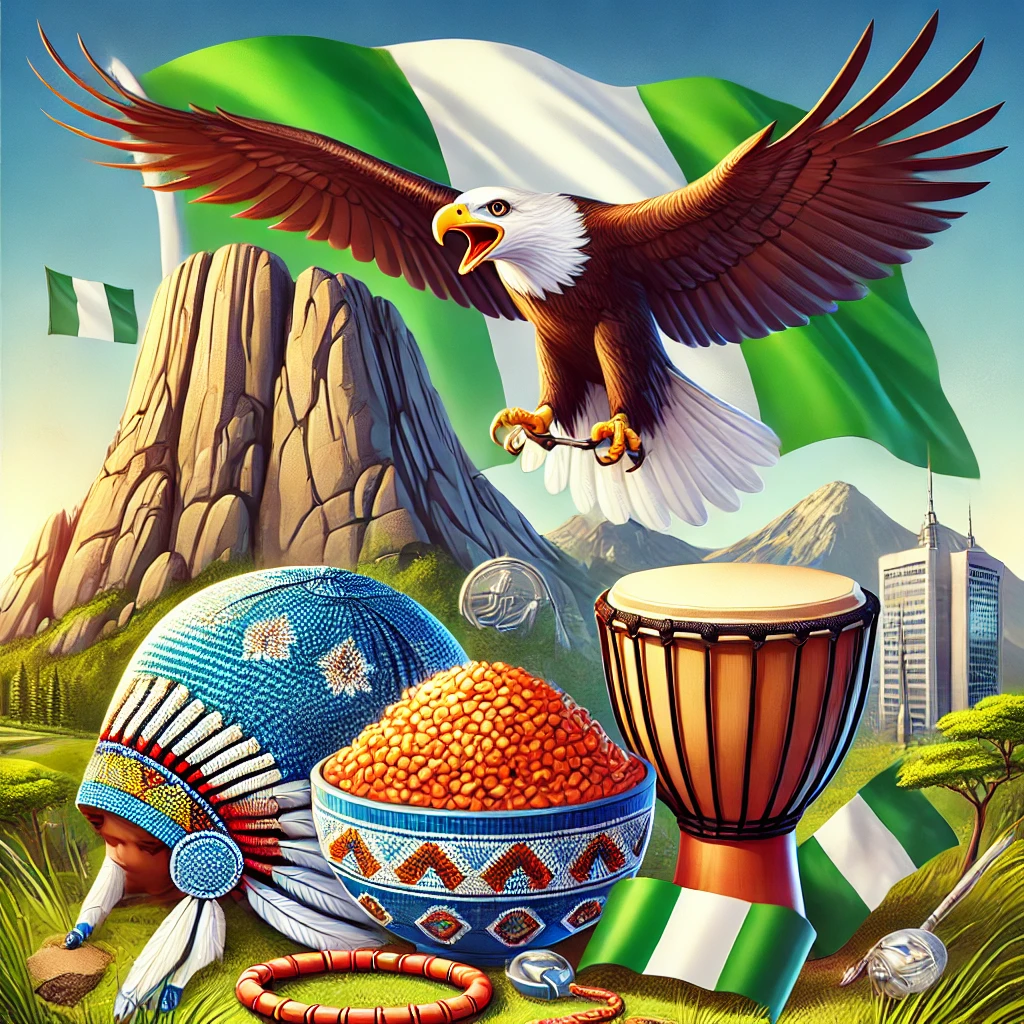
Comprehensive Guide to Nigeria: Geography, Economy, Politics, Culture, Tourism, Visas, Citizenship, and Standard of Living
Introduction
Nigeria, known as the “Giant of Africa,” is the most populous country on the continent and one of the largest economies in Africa. With a diverse culture, rich history, and abundant natural resources, Nigeria is an attractive destination for business, tourism, and settlement. This guide covers all aspects of Nigeria, from its geography and economy to tourism, visas, citizenship, and living standards.
1. Geography of Nigeria
Nigeria is located in West Africa and is bordered by Niger to the north, Chad to the northeast, Cameroon to the east, and Benin to the west. The country has a coastline along the Atlantic Ocean in the south.
Major Geographical Regions
- Northern Nigeria: Dominated by the Sahel and Savannah regions, including states like Kano, Kaduna, Sokoto, and Borno.
- Middle Belt: A mix of savannah and forests, with diverse ethnic groups (e.g., Benue, Plateau, Kogi).
- Southern Nigeria: Consists of rainforests and coastal regions (e.g., Lagos, Rivers, Cross River).
Major Rivers
- River Niger and River Benue, which merge at Lokoja, forming the country’s main water network.
2. Economy of Nigeria
Nigeria has the largest economy in Africa, driven by oil, agriculture, manufacturing, and services.
Key Economic Sectors
- Oil and Gas: Contributes about 90% of foreign exchange earnings. Major oil-producing states include Rivers, Delta, and Bayelsa.
- Agriculture: Employs over 60% of Nigerians, with major products like cocoa, cassava, yam, and palm oil.
- Manufacturing: Includes cement, textiles, and food processing (e.g., Lagos, Ogun, Kano).
- Technology & Startups: A booming sector with hubs in Lagos and Abuja.
- Banking & Finance: Lagos is the financial capital of Nigeria.
Major Cities & Economic Contributions
- Lagos: Commercial hub, technology startups, and banking sector.
- Abuja: Political and administrative capital, diplomatic missions.
- Port Harcourt: Oil and gas industry.
- Kano: Agriculture and trade center of northern Nigeria.
3. Political System
Nigeria operates a federal democratic system with three tiers of government:
- Executive: Led by the President.
- Legislature: Bicameral National Assembly (Senate and House of Representatives).
- Judiciary: Supreme Court and lower courts uphold justice.
Political Landscape
- Nigeria has 36 states and a Federal Capital Territory (Abuja).
- The major political parties include the All Progressives Congress (APC) and the People’s Democratic Party (PDP).
4. Social and Cultural Life
Nigeria is home to over 250 ethnic groups and 500 languages, making it one of the most culturally diverse countries in the world.
Major Ethnic Groups
- Hausa-Fulani (North): Predominantly Muslim, known for trade and agriculture.
- Yoruba (Southwest): Rich in traditional arts, business, and education.
- Igbo (Southeast): Known for entrepreneurship and innovation.
- Ijaw, Efik, and Ibibio (South-South): Located in the oil-rich Niger Delta.
Religion
- Christianity (South & Middle Belt) and Islam (North).
Festivals and Celebrations
- Lagos Carnival: A colorful street parade.
- Durbar Festival (Kano): A display of horsemanship and traditional music.
- Osun-Osogbo Festival: Celebrates the river goddess.
5. Tourist Attractions in Nigeria
Nigeria boasts numerous natural and cultural attractions, including:
Northern Nigeria
- Zuma Rock (Niger State): A massive rock formation.
- Kano City Walls: Historic defense walls of ancient Kano.
- Yankari Game Reserve (Bauchi): Wildlife safari experience.
Middle Belt
- Gurara Waterfalls (Niger State): A stunning waterfall and picnic spot.
- Jos Wildlife Park (Plateau): A great place for nature lovers.
Southern Nigeria
- Lekki Conservation Centre (Lagos): Home to Africa’s longest canopy walk.
- Obudu Mountain Resort (Cross River): A luxury mountain retreat.
- Nike Art Gallery (Lagos): Largest collection of African art.
Why Visit Nigeria?
- Rich Culture & Heritage: Over 250 ethnic groups.
- Business Opportunities: A fast-growing economy.
- Natural Beauty: From beaches to wildlife reserves.
6. How to Visit Nigeria: Visa & Travel Guide
Types of Nigerian Visas
- Tourist Visa: For leisure travelers.
- Business Visa: For business activities.
- Student Visa: For education in Nigeria.
- Work Visa: For employment purposes.
- Transit Visa: For short-term travelers passing through Nigeria.
- Asylum and Refugee Status: Available under international human rights laws.
Ways to Visit Nigeria
- By Air: Lagos and Abuja have international airports.
- By Land: Through land borders with Benin, Niger, Chad, and Cameroon.
7. Standard of Living in Nigeria
Nigeria offers diverse living conditions, from luxurious urban lifestyles to affordable rural living.
Cost of Living
- Lagos and Abuja: High cost of living.
- Kano, Ibadan, Enugu: More affordable cities.
Education & Healthcare
- Top Universities: University of Lagos (UNILAG), Ahmadu Bello University (ABU), Covenant University.
- Healthcare: Public and private hospitals available, with Lagos offering the best medical facilities.
Job Opportunities
- High Demand Industries: Oil & gas, banking, IT, agriculture.
- Expat Jobs: Teaching, engineering, and finance roles.
8. Pathway to Nigerian Citizenship
Ways to Become a Nigerian Citizen
- By Birth: If one or both parents are Nigerian.
- By Naturalization:
- Must reside in Nigeria for at least 15 years.
- Must have a steady means of livelihood.
- By Registration:
- Available to spouses of Nigerian citizens after five years of marriage.
Dual Citizenship
- Allowed for Nigerians by birth.
Conclusion
Nigeria is a country full of opportunities, from its rich cultural heritage and natural beauty to its growing economy. Whether you are visiting for tourism, business, or relocation, Nigeria has something to offer.
Would you like more details on any specific aspect?