
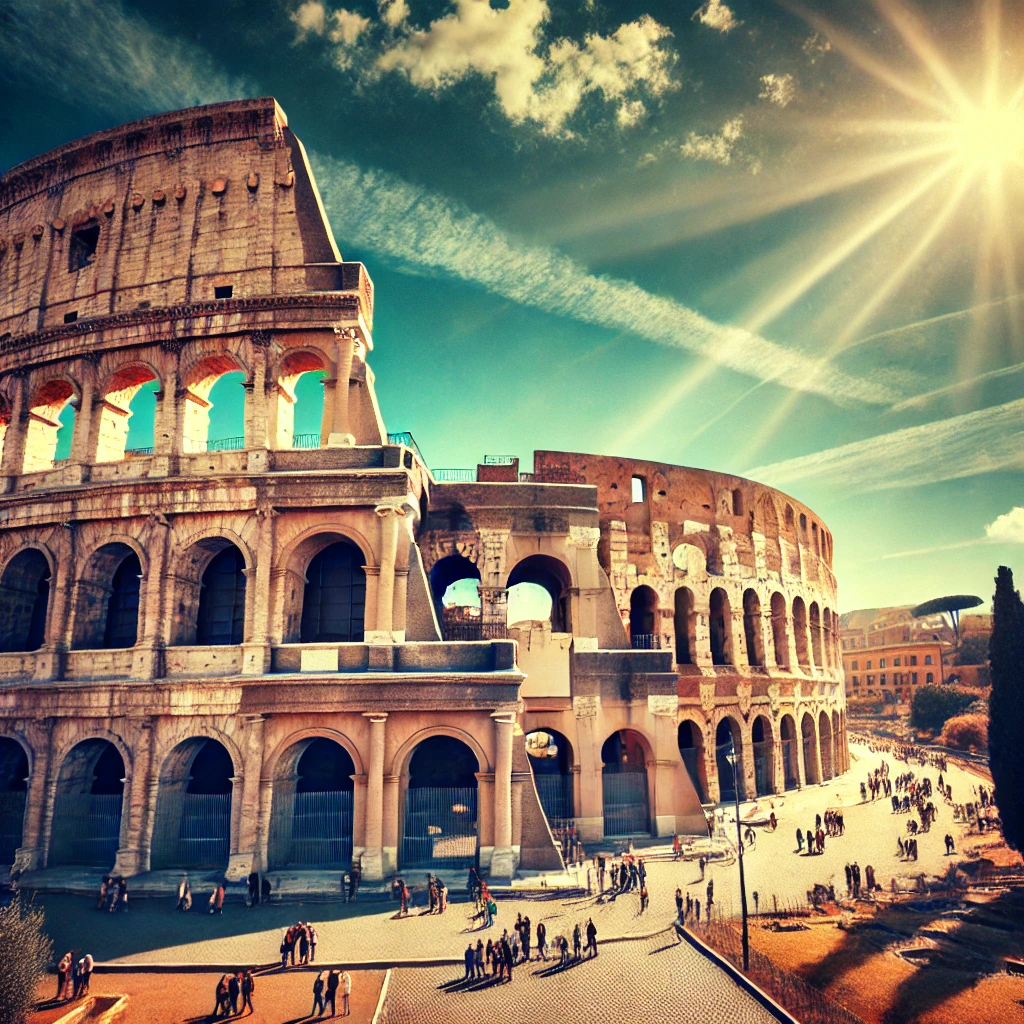
The Ultimate Comprehensive Guide to Italy
Introduction
Italy, a country in Southern Europe, is renowned for its rich history, stunning landscapes, world-famous cuisine, and deep cultural heritage. From the ruins of Rome to the canals of Venice, Italy offers a diverse experience for travelers, expatriates, and investors alike. This guide provides an in-depth look at every aspect of Italy, including its geography, economy, politics, social culture, tourism, immigration pathways, job market, and standard of living.
1. Geographical Overview
Italy is a peninsula extending into the Mediterranean Sea, bordered by France, Switzerland, Austria, and Slovenia. It features a mix of mountains, coastlines, and plains, with a Mediterranean climate in most regions.
Major Geographical Regions
- Northern Italy (Lombardy, Veneto, Piedmont, Liguria, Emilia-Romagna, Trentino-Alto Adige, Friuli Venezia Giulia, Aosta Valley) – Known for the Alps, fashion hubs, and economic centers.
- Central Italy (Tuscany, Lazio, Umbria, Marche, Abruzzo, Molise) – The heart of Italy’s culture and Renaissance history.
- Southern Italy (Campania, Calabria, Apulia, Basilicata, Sicily, Sardinia) – Famous for its warm climate, coastlines, and ancient ruins.
Major Natural Features
- The Alps and Dolomites – Perfect for skiing and hiking.
- The Apennine Mountains – Runs through the center of Italy.
- Lakes (Como, Garda, Maggiore) – Stunning northern Italian lakes.
- Islands (Sicily & Sardinia) – Known for beaches, history, and unique culture.
2. Economy of Italy
Italy is the third-largest economy in the European Union and known for its strong industrial base, luxury brands, and tourism sector.
Key Economic Sectors
- Manufacturing & Industry – Automobiles (Ferrari, Lamborghini, Fiat), fashion (Gucci, Prada, Armani), and high-tech engineering.
- Tourism – Italy is among the top five most visited countries in the world.
- Agriculture & Wine Production – Olive oil, pasta, and world-famous wines.
- Finance & Banking – Milan is Italy’s financial hub.
Economic Hubs
- Milan – Financial and business capital.
- Rome – Government and administrative center.
- Turin – Automotive and industrial powerhouse.
- Venice & Florence – Strong tourism economies.
3. Political System of Italy
Italy is a parliamentary republic with a President as Head of State and a Prime Minister as Head of Government.
Government Structure
- President – Serves as a ceremonial head, elected for a seven-year term.
- Prime Minister – Leader of the government, appointed by the President.
- Parliament – Bicameral system with the Chamber of Deputies and the Senate.
- Judiciary – Independent legal system based on Roman law.
European Union Membership
- Italy is a founding member of the EU, using the Euro (€) as its currency.
- Part of the Schengen Area, allowing free movement across Europe.
4. Social and Cultural Life
Language
- Official language: Italian
- Minority languages: German (South Tyrol), French (Aosta Valley), and regional dialects.
Religion
- Predominantly Roman Catholic with a growing presence of other faiths.
- Vatican City, the world’s smallest country, is the religious center of Catholicism.
Festivals & Traditions
- Carnival of Venice – World-famous masked festival.
- Palio di Siena – Historic horse race in Tuscany.
- Christmas & Easter Celebrations – Deeply rooted in Italian tradition.
Cuisine
- Pizza (Naples), Pasta (Rome, Bologna), Risotto (Milan), Seafood (Sicily)
- Wine Regions – Tuscany, Piedmont, Veneto, Sicily.
5. Major Tourist Attractions by City
Rome
- Colosseum, Vatican City, Trevi Fountain, Pantheon, Roman Forum.
Florence
- Duomo, Uffizi Gallery, Ponte Vecchio, Michelangelo’s David.
Venice
- Grand Canal, St. Mark’s Basilica, Rialto Bridge, Gondola rides.
Milan
- Duomo di Milano, La Scala Opera House, The Last Supper.
Naples & Amalfi Coast
- Pompeii, Mount Vesuvius, Capri, Positano.
Sicily
- Valley of the Temples, Mount Etna, Taormina, Palermo.
6. Immigration & Citizenship Pathways
Types of Visas
- Tourist Visa – Schengen visa for short stays.
- Work Visa – Requires a job offer and employer sponsorship.
- Student Visa – For studying in Italian universities.
- Investor Visa – For business investments in Italy.
Pathways to Citizenship
- By Birth – If at least one Italian parent.
- By Marriage – After 2 years (if living in Italy) or 3 years (if abroad).
- By Naturalization – After 10 years of legal residency.
Asylum & Refugee Status
- Italy is part of the European refugee program and offers asylum to qualifying individuals.
7. Job Market & Standard of Living
Job Opportunities
- High-Demand Sectors: Engineering, IT, Finance, Healthcare, Tourism, Fashion.
- Freelancing & Remote Work: Growing opportunities for digital nomads.
- Salaries: Average salary in Italy is around €30,000 per year.
Cost of Living
- Rome & Milan – Expensive.
- Southern Italy – More affordable.
8. Ways to Visit Italy
- By Air – Major airports in Rome (FCO), Milan (MXP), Venice (VCE).
- By Train – High-speed trains connect all major cities.
- By Car – Driving in Italy is scenic but can be challenging in cities.
9. Why Visit Italy?
- Rich History – Ancient Roman ruins, Renaissance art, medieval towns.
- Breathtaking Landscapes – Alps, Amalfi Coast, rolling hills of Tuscany.
- World-Class Cuisine – Pizza, pasta, wine, gelato.
- Vibrant Culture – Art, opera, fashion, cinema.
- Iconic Landmarks – Colosseum, Leaning Tower of Pisa, Vatican City.
Conclusion
Italy is a country that captivates visitors with its history, beauty, and vibrant lifestyle. Whether you are visiting as a tourist, seeking job opportunities, or considering citizenship, Italy offers an unparalleled experience. From the ancient streets of Rome to the canals of Venice and the beaches of Sicily, Italy remains one of the most desirable destinations in the world.